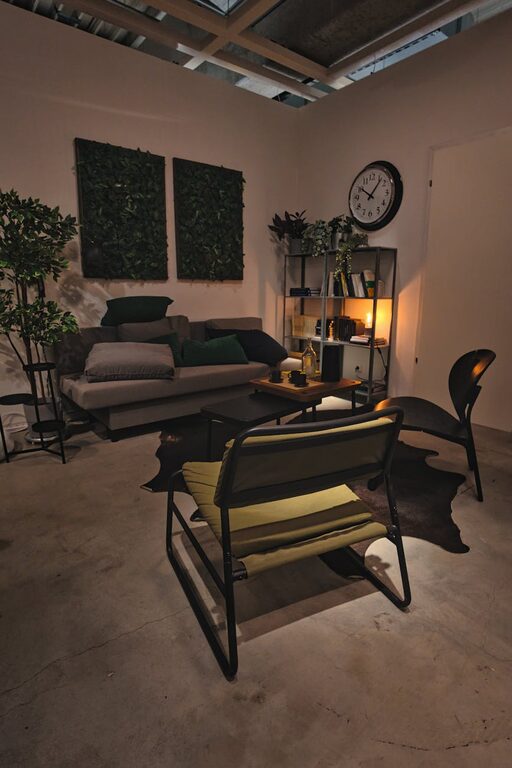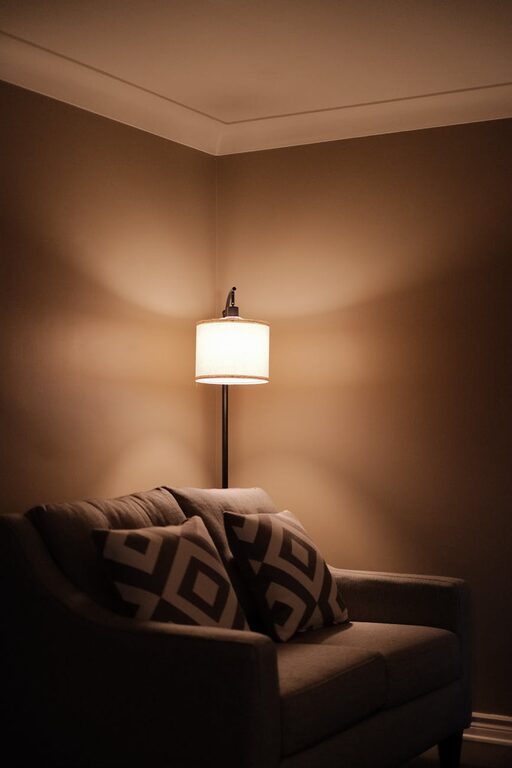
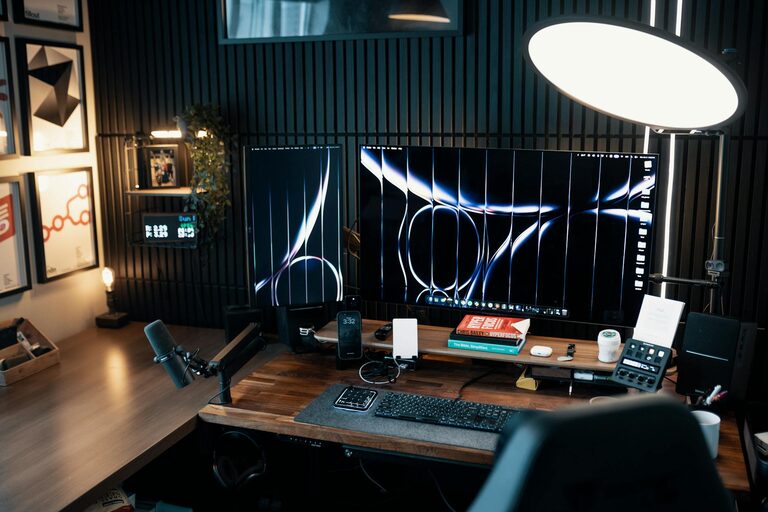
Creating a productive home office environment is essential for maintaining focus, efficiency, and well-being when working remotely. Whether you’re new to working from home or looking to improve your current setup, making a few thoughtful changes can have a big impact on your productivity. Here are some practical tips to help you craft a workspace that supports your best work.
Choose the Right Location
The first step in creating a productive home office is selecting the best location. Ideally, find a quiet corner or room where you can minimise distractions.
– Separate space: If possible, avoid working from your bedroom or living spaces where relaxation happens. Designating a specific area helps your brain associate that space with work.
– Natural light: Position your desk near a window to benefit from daylight, which can boost mood and alertness. Avoid glare on screens by adjusting the angle or using blinds.
– Noise control: Consider quieter areas of your home or use noise-cancelling headphones to block out distractions.
Invest in Comfortable and Functional Furniture
Comfort directly influences your ability to focus for extended periods.
– Ergonomic chair: Choose a chair with good lumbar support and adjustable features. Sitting comfortably helps avoid back pain and fatigue.
– Desk space: Ensure your desk is large enough for your computer, paperwork, and other equipment without feeling cramped.
– Proper screen height: Position your monitor at eye level to prevent neck strain.
Organise Your Workspace Effectively
A tidy, organised workspace promotes clarity and efficiency.
– Declutter regularly: Keep only what you need on your desk to avoid mess and distractions.
– Storage solutions: Use drawers, shelves, or organisers to keep supplies within reach but out of sight.
– Cable management: Use clips or tubes to tidy cables, reducing visual distraction and hazards.
Optimise Lighting
Good lighting reduces eye strain and helps maintain alertness.
– Use layered lighting: Combine general ceiling lights with task lighting such as desk lamps.
– Adjust brightness: Keep lighting bright enough without causing glare. Choose daylight or warm bulbs according to your preference.
– Avoid screen glare: Position lighting sources to avoid reflections that make screens hard to read.
Minimise Distractions
Creating an environment that supports concentration is key.
– Set boundaries: Inform family or housemates of your working hours to limit interruptions.
– Limit noise: Use background music or white noise if helpful, but keep it low and non-distracting.
– Turn off notifications: Silence non-essential digital alerts during focused work periods.
Personalise Your Space
Adding personal touches can make your workspace inviting and motivating.
– Plants: Incorporate greenery to improve air quality and create a calming atmosphere.
– Inspirational items: Photos, quotes, or artwork that resonate with you can keep spirits high.
– Comfort accessories: Use cushions, wrist rests, or footrests to enhance comfort.
Maintain Good Work Habits
Your environment works best when combined with healthy work routines.
– Set a schedule: Establish regular working hours and take scheduled breaks to refresh your mind.
– Move regularly: Stand, stretch, or walk briefly every hour to reduce stiffness and boost energy.
– Stay hydrated and nourished: Keep water and healthy snacks nearby to maintain focus.
Use Technology Wisely
Technology can support productivity if used strategically.
– Reliable equipment: Ensure your computer, internet connection, and peripherals work smoothly.
– Productivity apps: Use tools for time management, note-taking, and task organisation.
– Backup plans: Have a plan for power outages or technical issues to avoid work disruption.
Keep Evaluating and Improving
Creating the perfect home office is an ongoing process.
– Reflect on what works: Periodically assess your setup and adjust based on comfort and productivity.
– Stay flexible: Your needs might change with time—don’t hesitate to reorganise or upgrade your space.
– Seek feedback: If you share your workspace with family or housemates, discuss how to improve it for everyone’s benefit.
—
A productive home office is not just about the furniture or equipment but designing a space and routine that support your work style and well-being. By considering your environment carefully and putting these tips into practice, you can create a home office that helps you work smarter and feel better throughout your day.