
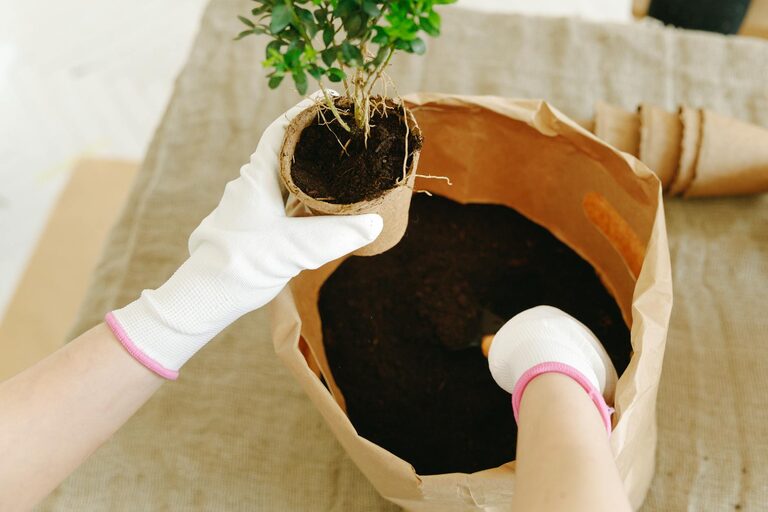
Creating a sustainable and eco-friendly home garden is a rewarding way to connect with nature while supporting environmental health. Whether you have a spacious yard or a small balcony, there are numerous ways to cultivate a thriving garden that works with the seasons and minimises harm to the planet. This guide offers practical tips to help you develop a year-round sustainable garden that’s both enjoyable and beneficial.
Why Choose Sustainable Gardening?
Sustainable gardening focuses on methods that preserve resources, promote biodiversity, and reduce waste. By adopting eco-friendly practices, you contribute to a healthier ecosystem, reduce your carbon footprint, and often enjoy fresher, chemical-free produce. The key is to work with nature’s rhythms rather than against them.
—
Planning Your Eco-Friendly Garden
Choose Native and Adapted Plants
Native plants are best suited to your local soil and climate, requiring less water and fewer chemicals. Additionally, local wildlife such as bees and butterflies depend on native species, so including them supports biodiversity.
If native plants are hard to find or you want some exotic options, choose species adapted to your region’s conditions to reduce maintenance and resource use.
Design with Sustainability in Mind
– Water Efficiency: Plan your garden to include drought-resistant plants and use rainwater collection systems.
– Companion Planting: Combine plants that benefit each other by repelling pests or enriching soil nutrients.
– Space Optimisation: Use vertical gardening or raised beds if space is limited.
—
Soil Care and Composting
Healthy soil is the foundation of any sustainable garden.
Build and Maintain Healthy Soil
– Avoid synthetic fertilisers; instead, add organic matter like compost or well-rotted manure.
– Use mulch to retain moisture, suppress weeds, and improve soil quality.
Start Composting
Composting kitchen scraps and garden waste reduces landfill and creates rich fertiliser. Include vegetable peelings, coffee grounds, grass clippings, and leaves. Avoid meat and dairy to prevent pests.
—
Water Wisely
Water conservation is vital for an eco-friendly garden.
Efficient Watering Techniques
– Water plants early morning or late evening to reduce evaporation.
– Use drip irrigation or soaker hoses to deliver water directly to roots.
– Collect rainwater using barrels and use it for irrigation.
Select Water-Friendly Plants
Drought-tolerant plants can thrive with minimal watering, making them excellent for sustainable gardens.
—
Pest and Disease Management Without Chemicals
Avoid harmful pesticides and herbicides by adopting natural pest control methods.
Encourage Beneficial Insects
Ladybirds, lacewings, and spiders keep common pests like aphids under control. Plant herbs and flowers such as marigolds and nasturtiums to attract these allies.
Physical Barriers and Organic Solutions
Use nets, collars, or traps to protect plants. Neem oil and insecticidal soaps provide effective organic options when needed.
Crop Rotation and Diversity
Rotate vegetable crops each season and grow a variety of plants to reduce disease build-up and pest problems.
—
Year-Round Gardening Tips
Maintaining your garden throughout the year supports sustainability and productivity.
Seasonal Planting
Plan what to grow based on the season to optimise yields and reduce resource use.
– Spring: Start seeds indoors, plant cool-season vegetables like peas, spinach, and radishes.
– Summer: Grow warm-season crops such as tomatoes, peppers, and beans.
– Autumn: Plant root vegetables and cover crops to improve soil.
– Winter: Use cloches or cold frames to extend the growing season, and focus on maintenance tasks.
Greenhouse and Indoor Gardening
Use greenhouses or indoor spaces to grow plants during colder months, maximising your garden’s output without excessive energy use.
—
Reduce, Reuse, Recycle in the Garden
Sustainability relies on reducing waste and making the most of resources.
– Repurpose containers and pots for planting.
– Use reclaimed wood for garden structures.
– Recycle garden waste as mulch or compost.
—
Supporting Wildlife and Pollinators
An eco-friendly garden is also a wildlife-friendly garden.
– Plant a variety of flowering plants to provide nectar.
– Create habitats like log piles and birdhouses.
– Avoid pesticides to protect beneficial insects.
—
Final Thoughts
Sustainable, eco-friendly gardening is about making thoughtful decisions that respect the environment while enjoying a beautiful, productive space. By planning carefully, nurturing the soil, conserving water, avoiding harmful chemicals, and welcoming wildlife, your home garden can thrive all year round in harmony with nature.
Embrace these tips and watch as your sustainable garden becomes a peaceful retreat and a positive force for our planet. Happy gardening!